Overview
Wildfire in the Thompson-Okanagan and at Silver Star
British Columbia’s wildfire season typically runs from April through October, with activity peaking in the hot, dry weeks of July and August. The Thompson-Okanagan region, including Vernon and Silver Star, sits within one of BC’s most active wildfire zones, thanks to its dry summer climate, forested mountainsides, and grassland valleys.
Most wildfires in BC are human-caused.
Nearly half of all wildfires each year start from campfires, cigarettes, equipment sparks, or fireworks — meaning nearly half are also preventable.
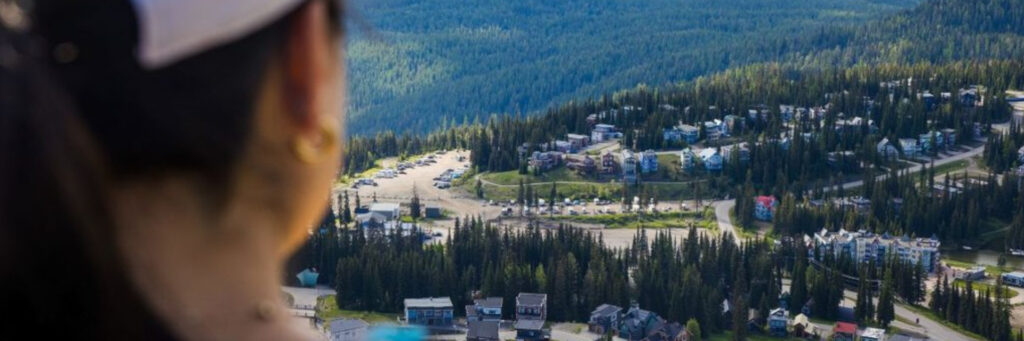
Silver Star sits at elevation, above the village and surrounding forest.
Fire risk and smoke conditions can differ from those in the valley below, so it’s worth checking conditions specific to the mountain, not just Vernon or Kelowna.
Fire activity doesn’t mean Silver Star is closed.
Even during active wildfire seasons elsewhere in the province, the village, trails, and businesses at Silver Star are very often open and welcoming visitors. Always check current, location-specific conditions before assuming the worst.
Protect, Enhance, Promote
Our philosophy of Protect, Enhance, Promote means the health and safety of this landscape comes first — for the people who live here, and for everyone who comes to explore it.
Prevention
Preventing Fires at Silver Star
Wildfire prevention is a shared responsibility, and most of it comes down to a few simple habits. Here’s how to do your part while visiting:
Report smoke or fire immediately
1-800-663-5555
Or *5555 from a cellphone, to report a wildfire anywhere in BC.
- Check for fire bans and campfire restrictions before you light anything. Restrictions are set by the BC Wildfire Service and can change quickly during dry periods. Confirm current rules at BC Wildfire Service — Prohibitions & Restrictions
- Fully extinguish campfires and cigarettes. Drown, stir, and feel for heat before walking away — a fire isn’t out until it’s cold to the touch.
- Keep vehicles and equipment off dry grass. Hot exhaust systems and machinery are a leading cause of human-caused wildfires in the BC Interior.
- Use fireworks and off-road vehicles responsibly, and only where explicitly permitted.
- Report smoke or fire immediately. Call 1-800-663-5555 (or *5555 from a cellphone) to report a wildfire anywhere in BC.
- Support FireSmart practices. Silver Star’s operators and homeowners follow FireSmart principles to reduce risk around buildings and infrastructure. Learn more at FireSmartBC.ca
Every visitor who follows these habits helps protect the forests, trails, and village that make Silver Star special, for this season and the next.
Conditions
Smoke & Visibility Updates
Wildfire smoke can occasionally affect air quality in the Okanagan, even from fires burning many kilometres away. Before heading out for a hike, bike, or drive, check current conditions using these official, real-time sources:
BC Air Quality Health Index (AQHI) Map — real-time and forecast air quality readings across BC, including the North Okanagan and Vernon area.
Environment Canada — North Okanagan AQHI — hourly air quality readings and health guidance specific to our region.
BC Wildfire Service — Wildfire Dashboard — an interactive, near real-time map of active wildfires, smoke plumes, and current situation reports for all of BC.
FireWork Smoke Forecast (Environment Canada) — a national smoke forecast model showing where wildfire smoke is expected to travel over the coming days.
A good habit: check the AQHI before outdoor activity, just like you would check the weather. On clear days, Silver Star’s high elevation often means cleaner air and better visibility than the valley below.
Plan Ahead
Know Before You Go
A little planning keeps every trip to Silver Star running smoothly, wildfire season or not:
Check current conditions before you travel:
- BC Wildfire Service — Current Wildfire Situation for active fires, evacuation orders, and alerts province-wide.
- DriveBC for real-time highway conditions, closures, and travel advisories on your route to Silver Star.
- Emergency Info BC for official evacuation orders, alerts, and emergency updates.
Sign up for alerts through your regional district or the PreparedBC program if you’re staying in the area for an extended trip.
Follow posted signage and staff direction in the village and on the trails — local operators are your best real-time source of on-mountain conditions.
Pack flexibly. Smoke and heat can shift day to day; layers, sun protection, and extra water are always a good call in summer.
When in doubt, ask. Our team and local businesses are happy to share current conditions, so reach out before you head up if you have questions.
Silver Star’s forests are part of what makes this destination worth protecting. By staying informed and following a few simple prevention habits, every visitor plays a part in keeping our mountain beautiful, safe, and open for the seasons ahead.